Education
5 Feminine-Care Myths an OBGYN Wants You to Stop Believing
An OBGYN with 23+ years of experience busts 5 common feminine care myths, from douching to fragrance, with compassionate, judgment-free guidance you can trust.

There is so much noise out there about how women are supposed to care for their bodies, and most of it was never written by anyone who actually cares for women medically. After more than 23 years as an OBGYN and over 2,000 babies delivered, I have heard nearly every worry a person can have about staying fresh and healthy. My goal here is simple and judgment-free: to clear up the most common feminine care myths so you can feel confident in your own skin.
Myth 1: Do you need to douche to feel truly clean?
No. Douching is not necessary for cleanliness, and most major medical organizations actually advise against it. Your body already does the work for you.
Douching means rinsing inside the vagina with water or a premixed solution, and the idea behind it sounds reasonable: flush things out and feel fresh. But the vagina maintains its own delicate balance of healthy bacteria and a naturally acidic pH. Sending fluid up inside can wash away the very things that keep that environment in harmony.
What actually helps you feel fresh:
- Gently cleansing the outside area only
- Wearing breathable cotton underwear
- Changing out of damp clothing after workouts or swimming
If you ever feel like you need to douche to feel clean, that is worth a conversation with your doctor rather than a product on a shelf. You can read more about how a healthy pH works on our science page.
Myth 2: Does the vagina need to be washed internally?
No. The vagina is self-cleaning and never needs internal washing of any kind. The only part that benefits from gentle washing is the vulva, the external skin on the outside.
This is one of the most important distinctions I teach my patients. There are two different areas, and they have very different needs:
- The vagina is the internal canal. It cleans itself through natural secretions and a balanced microbiome. Nothing needs to go inside to “clean” it.
- The vulva is the external area, including the labia and the skin folds. This is the part that can benefit from a gentle external rinse, especially after sweating or your period.
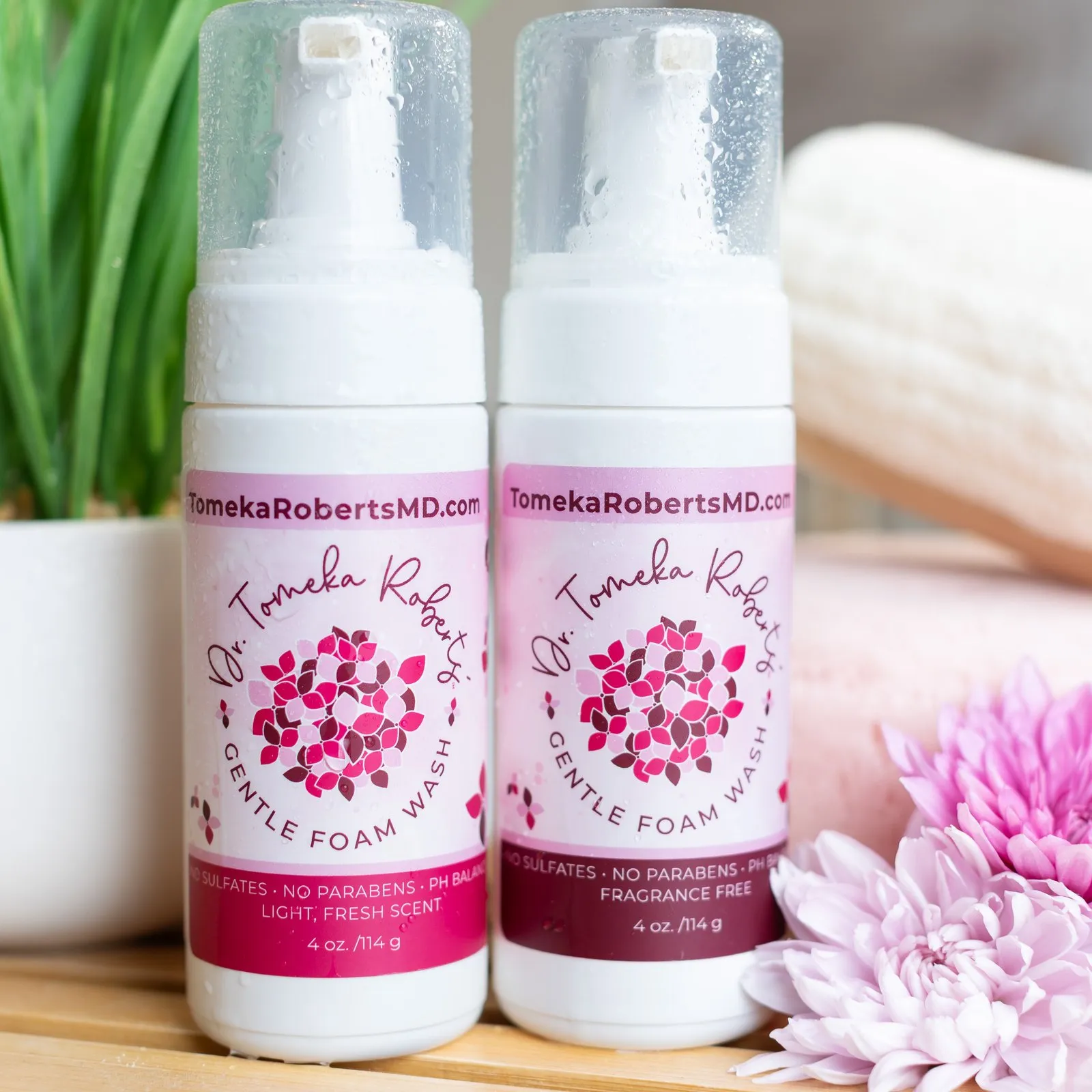
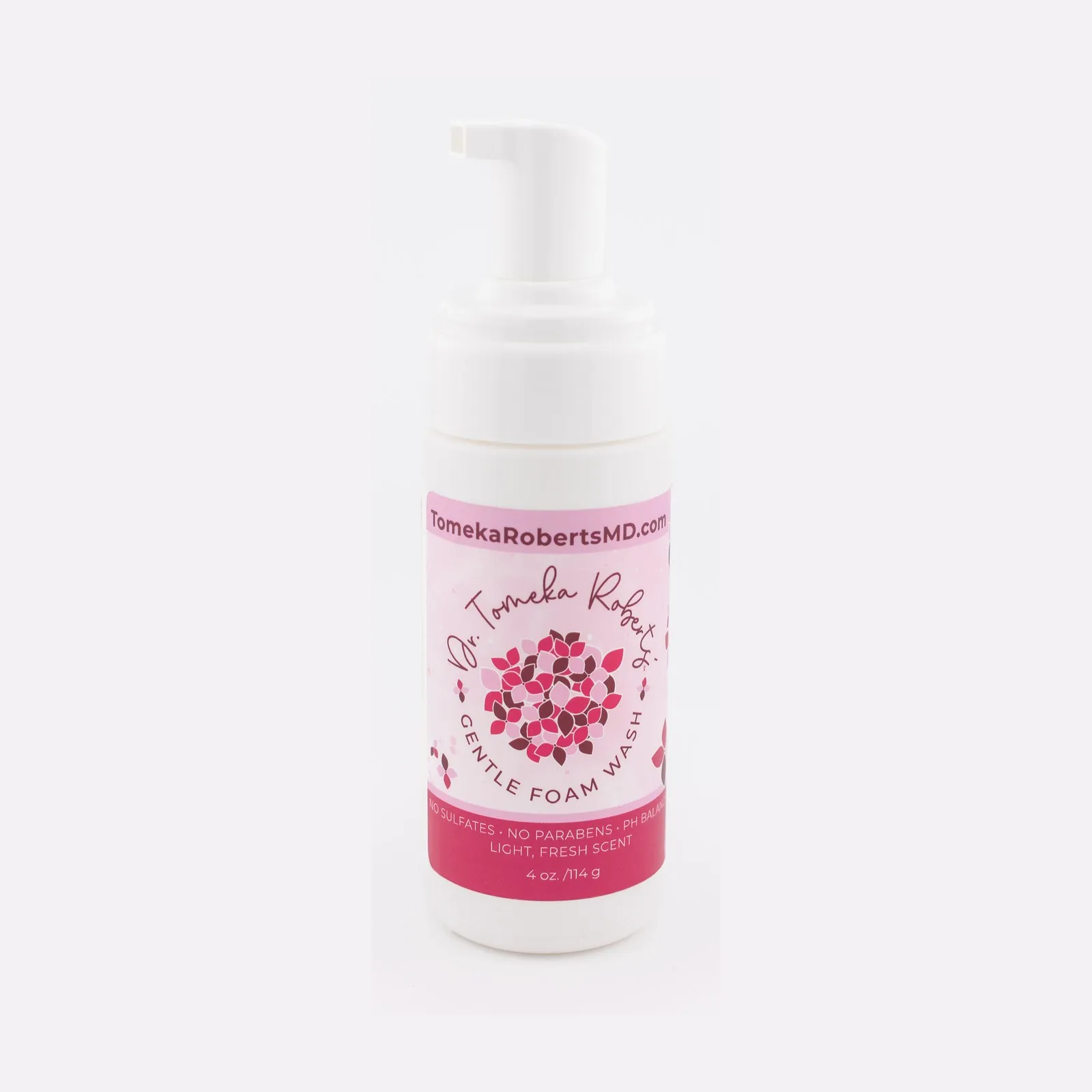
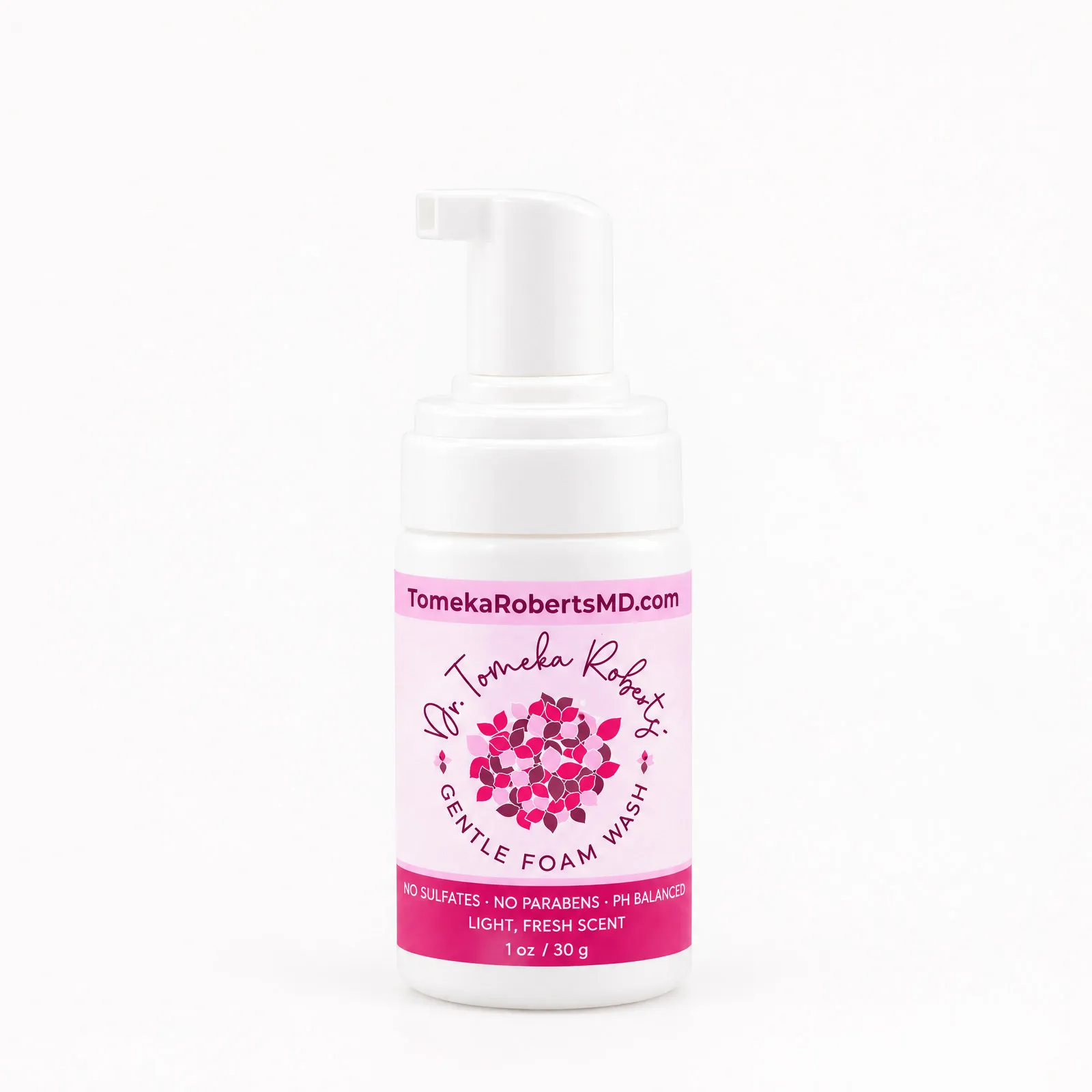
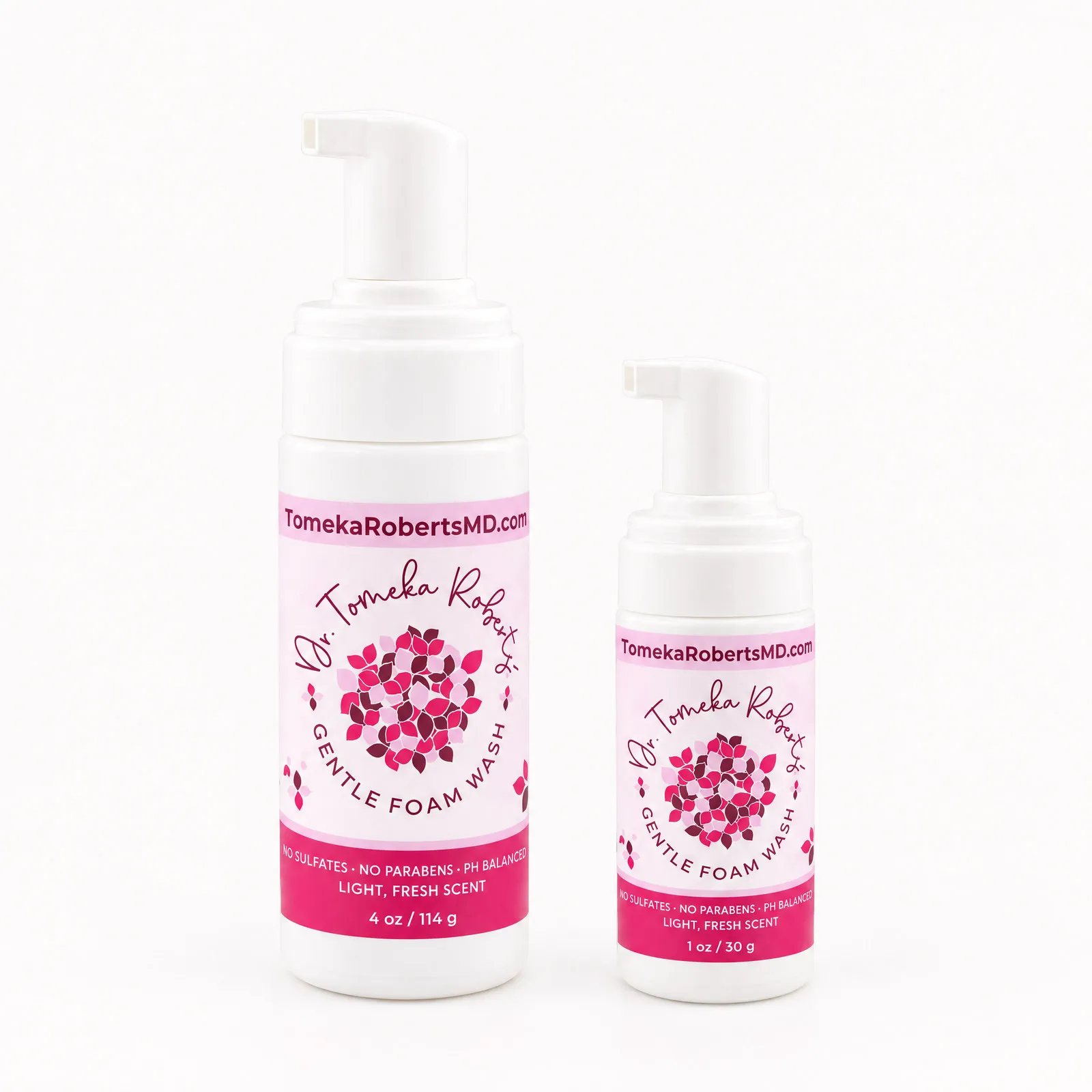
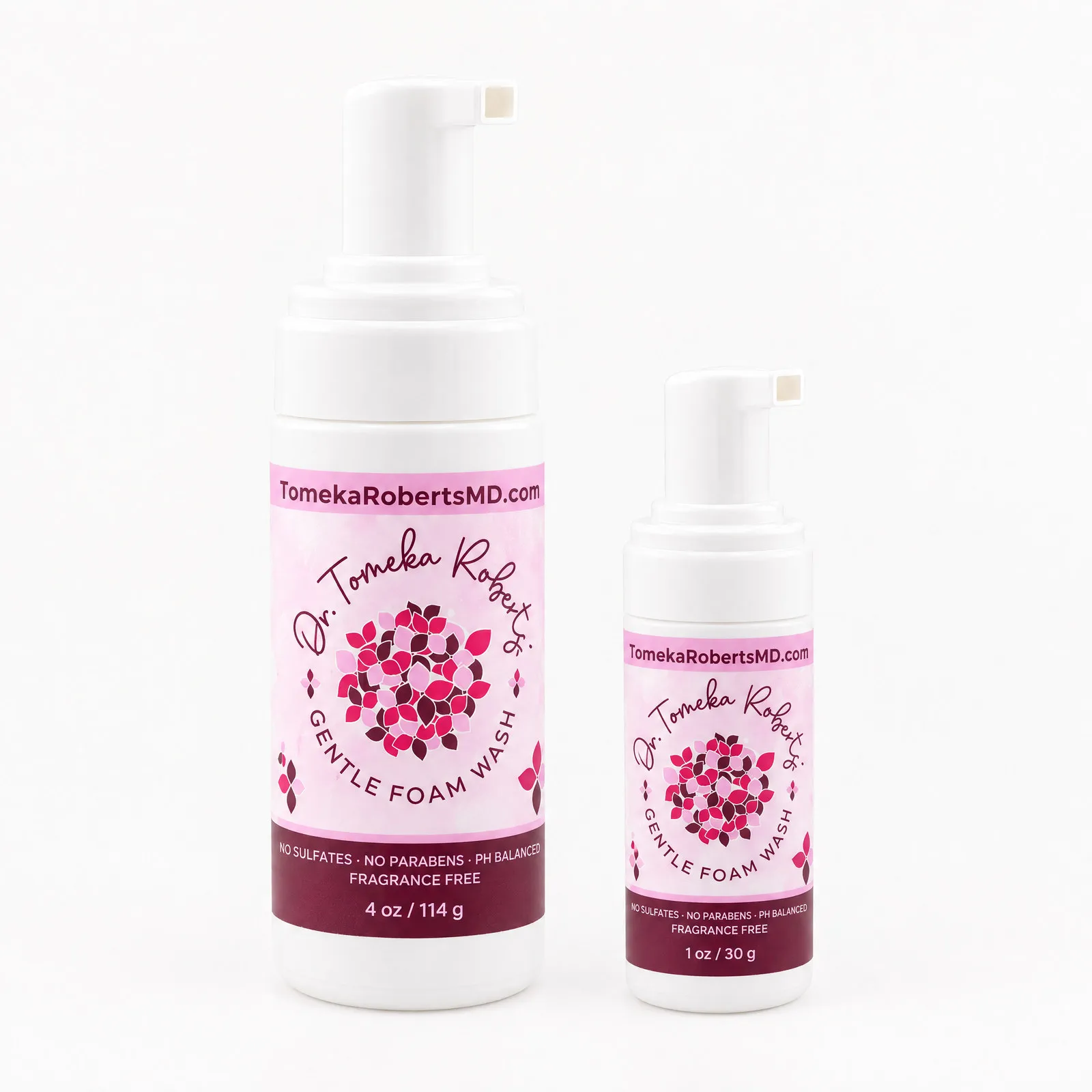
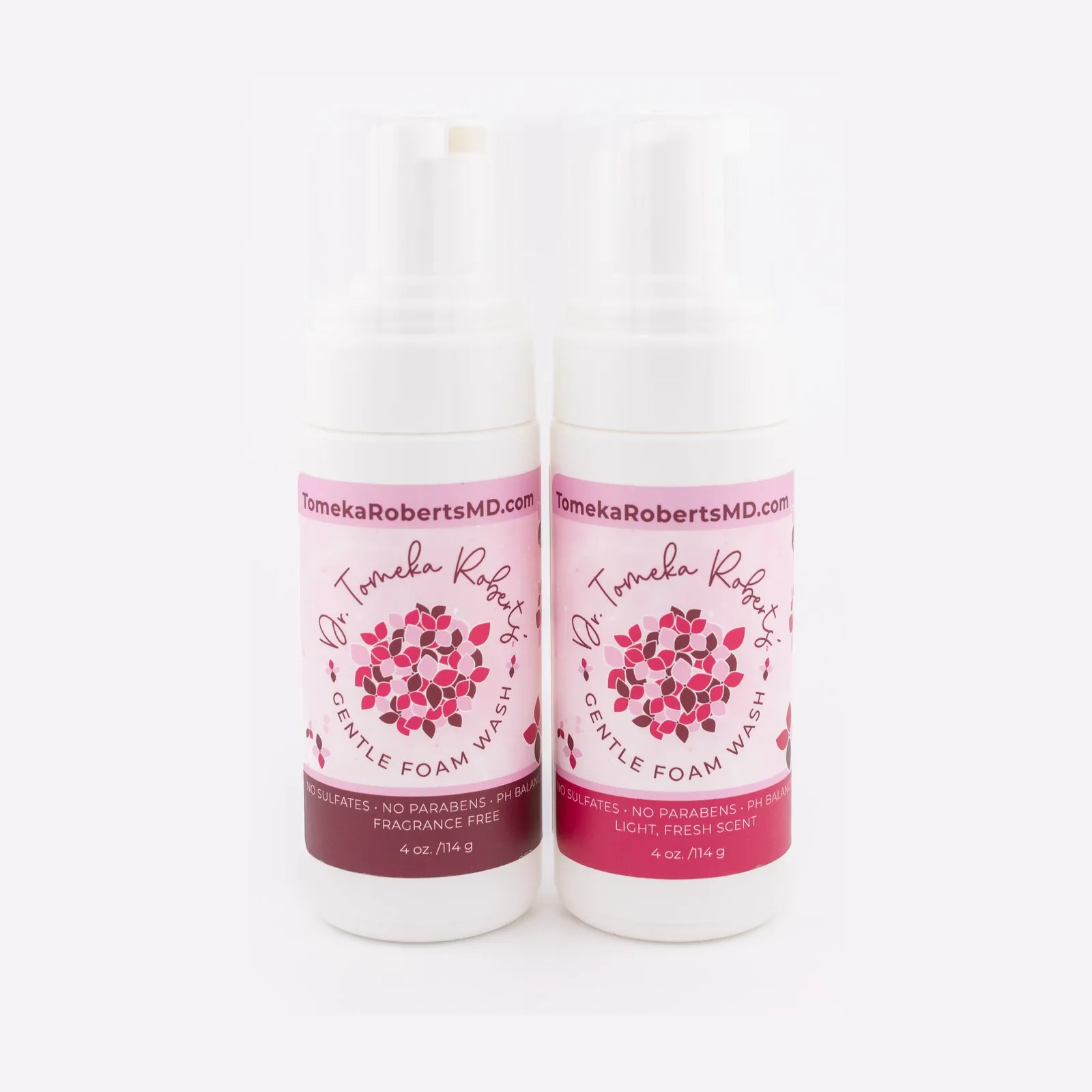
When you keep washing to the outside, you support your body instead of fighting it. That is exactly why our Gentle Foam Wash is designed for external use only, on the vulva. It is meant to respect your skin, not interfere with the internal balance your body manages on its own.
A quick mental shortcut: if a product or instruction tells you to put something inside for hygiene, pause. Your insides are already covered.
Myth 3: Does more fragrance mean more clean?
No. A stronger scent does not mean a cleaner body. In fact, heavy fragrances can irritate delicate skin and mask signals your body may be trying to send you.
I understand the appeal. We are taught to associate floral, powdery, or “fresh linen” smells with cleanliness. But the skin of the vulva is some of the most sensitive on your entire body, and strong synthetic fragrances, dyes, and harsh additives are common culprits behind irritation, redness, and discomfort.
Here is the gentler way to think about it:
- “Clean” should feel like comfort, not a perfume cloud.
- A light, pleasant freshness is fine if your skin tolerates it well.
- Fragrance-free is the safest choice for the most sensitive skin.
This is why our wash comes in both a Fresh Scent for those who enjoy a light, clean note and a Fragrance-Free option for anyone prone to sensitivity. Both skip sulfates, parabens, and dyes. The goal is gentle care that respects your natural balance, not overpowering it.
Myth 4: Are all soaps fine to use down there?
No. Not every soap is appropriate for this delicate area. Many regular bar soaps and body washes are too harsh and can throw off the skin’s natural comfort and pH.
The skin on the rest of your body and the skin of the vulva are not the same, and they do not have the same needs. Standard soaps are often formulated to be deeply degreasing or are loaded with fragrance, which can leave the vulva feeling dry, tight, or irritated.
Here is a simple comparison to keep in mind:
| Option | Best use |
|---|---|
| Harsh or heavily fragranced bar soap | Generally too stripping for the vulva |
| Plain warm water | Always a safe, gentle choice |
| Gentle, pH-balanced external wash | Made specifically for this sensitive area |
If you prefer something more than water, look for a wash that is pH-balanced, free of sulfates and parabens, and clearly labeled for external use. Plain water alone is also perfectly fine, and there is no shame in keeping it that simple. You can find more guidance on choosing products on our FAQ page.
Myth 5: Does odor always mean you have an infection?
No. A mild, natural scent is normal and healthy. Odor alone is not proof of an infection, though certain changes are worth checking with your doctor.
Every person has a natural, individual scent that can shift slightly throughout your cycle, after exercise, or with changes in diet. That is your body being a body. Panicking over a normal scent or trying to scrub it away with strong products usually does more harm than good.
That said, I always want you to listen to your body. Please reach out to your own doctor if you notice:
- A strong, sudden, or unusual odor that is new for you
- Itching, burning, or significant discomfort
- Unusual discharge or changes in color
- Pelvic pain or pain during intimacy
These symptoms deserve real medical attention, not a fragrance to cover them up. A gentle external wash can help you feel fresh day to day, but it is a comfort and hygiene product, not a treatment for any medical condition. When something feels off, the kindest thing you can do for yourself is get evaluated.
How should you actually care for this area, simply?
Keep it simple, gentle, and external. Your body is wonderfully capable, and good feminine care is more about working with it than scrubbing against it.
A calm, everyday routine looks like this:
- Wash only the outside with warm water or a gentle, pH-balanced external wash
- Skip douching and internal washing entirely
- Choose breathable fabrics and change out of damp clothes promptly
- Pay attention to changes and see your doctor when something feels wrong
You can learn more about my approach and why I built this brand on the about page.
A final, warm word
You deserve to feel comfortable and confident without falling for myths that complicate something your body already handles beautifully. Gentle, external, pH-respecting care is almost always the answer, and you never have to feel embarrassed asking questions, especially with your own doctor.
If you would like a simple, thoughtfully made way to stay fresh that honors your natural balance, take a look at the Gentle Foam Wash collection. Your body is doing its job. The right care just helps you feel good while it does.
Frequently asked
Should I wash inside my vagina to stay clean?
No. The vagina is self-cleaning and never needs internal washing. Only gently cleanse the outside area, the vulva, with water or a mild pH-balanced external wash.
Is it normal to have a vaginal scent?
Yes. A mild, natural scent is completely normal and healthy. A strong, sudden, or unpleasant odor that comes with itching or unusual discharge is worth a visit to your doctor.
Is douching ever recommended by doctors?
Major medical organizations advise against routine douching because it can disrupt your natural balance. If you feel you need it to stay clean, please talk with your doctor.
Can I use regular bar soap on my vulva?
It is best to avoid harsh or heavily fragranced bar soaps on the delicate vulva. Choose plain water or a gentle, fragrance-free or lightly scented external wash designed for the area.