Ingredients
Sulfates and Parabens in Feminine Care: What to Avoid and Why
A board-certified OBGYN explains sulfates and parabens in feminine care, why they can dry delicate skin, and how to read a label to choose gentler options.
When you flip a feminine wash around to read the back label, the ingredient list can look like a foreign language. Two words come up again and again in the conversation about gentler products: sulfates and parabens. Let me walk you through what they are, why so many of us prefer to avoid them, and what to look for instead.
What are sulfates in feminine care products?
Sulfates are detergent ingredients, most commonly sodium lauryl sulfate (SLS) and sodium laureth sulfate (SLES). They are what make a wash foam up richly and rinse away oil and grime.
There is nothing sinister about sulfates as cleansers. They are effective, inexpensive, and found in everything from shampoos to dish soaps. The issue is not safety in the toxic sense, it is suitability for a very delicate area of skin.
The vulva is more sensitive and more absorbent than the skin on, say, your arm. Strong surfactants can strip away the natural oils and disrupt the comfortable, slightly acidic environment your body works hard to maintain. For some people, that shows up as dryness, tightness, or a feeling of irritation after washing.
Why do sulfates strip and dry delicate skin?
Sulfates can dry delicate skin because they are powerful at removing oils, and they do not distinguish between unwanted residue and the natural moisture your skin needs.
Think of it like over-washing your hands in winter. A heavy-duty soap leaves them squeaky but tight and cracked. The same principle applies to intimate skin, only this area is even more delicate and prone to sensitivity.
People who tend to notice sulfates more include those with:
- Naturally dry or sensitive skin
- Eczema or other reactive skin conditions
- Skin that feels tight or itchy after washing
- A history of reacting to scented or harsh products
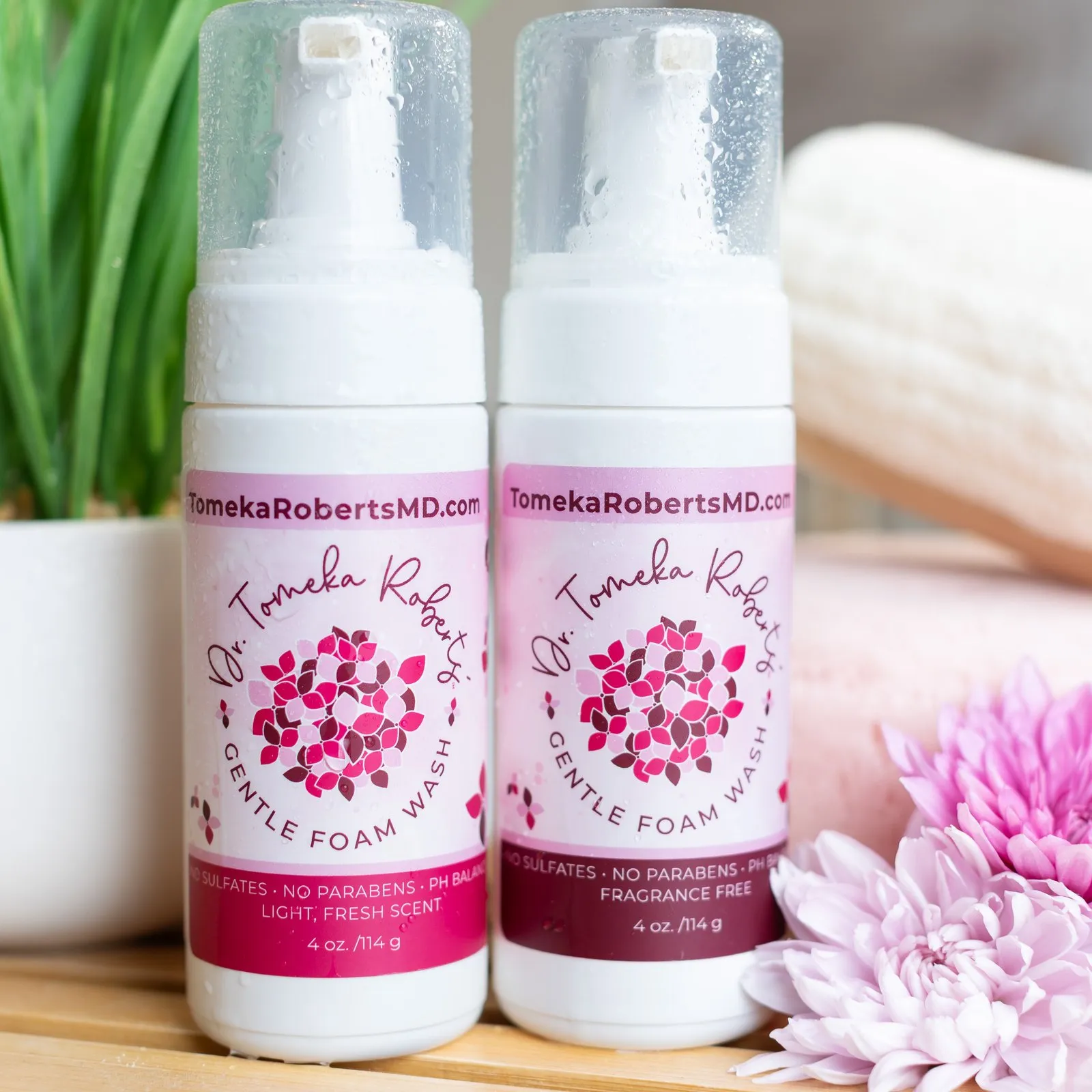
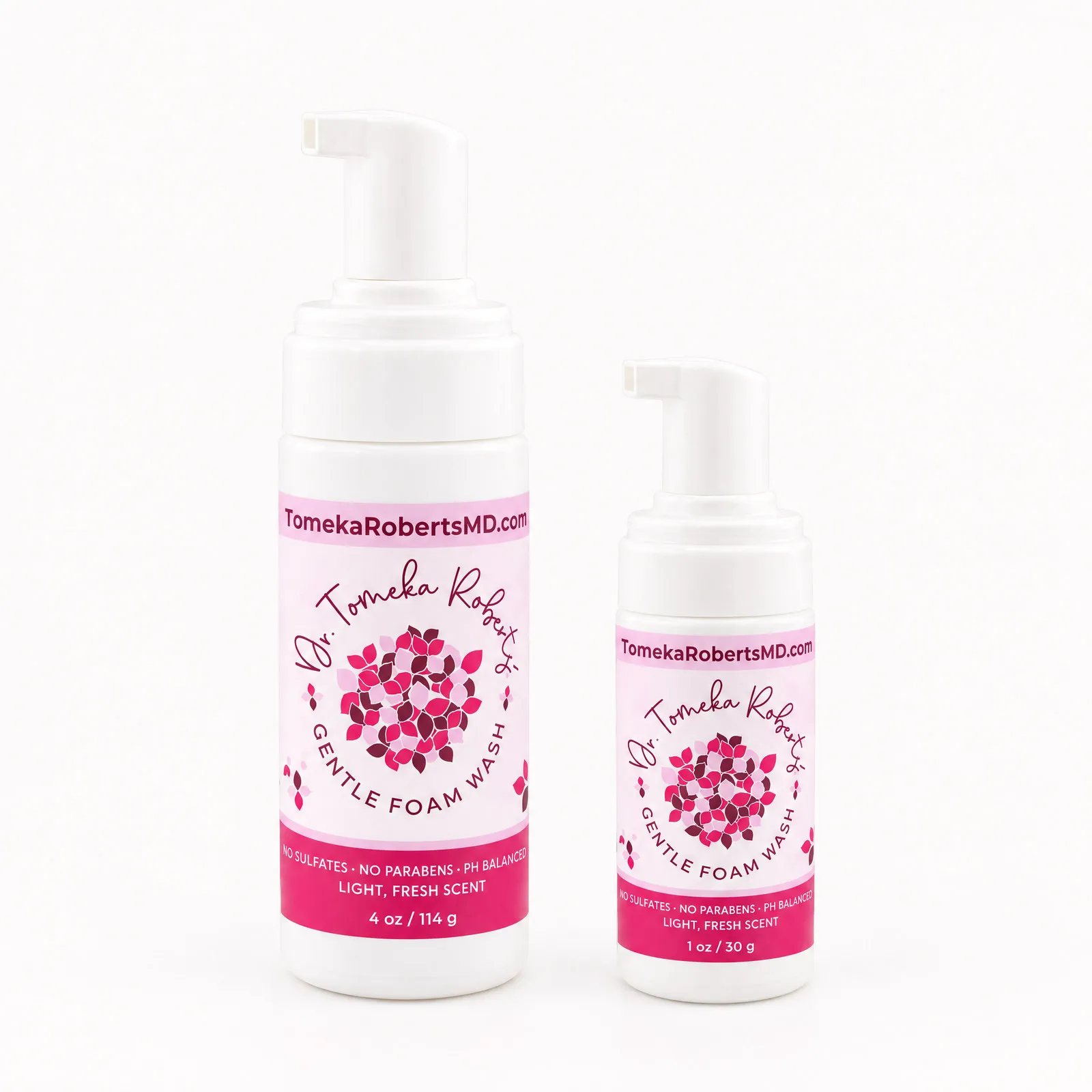
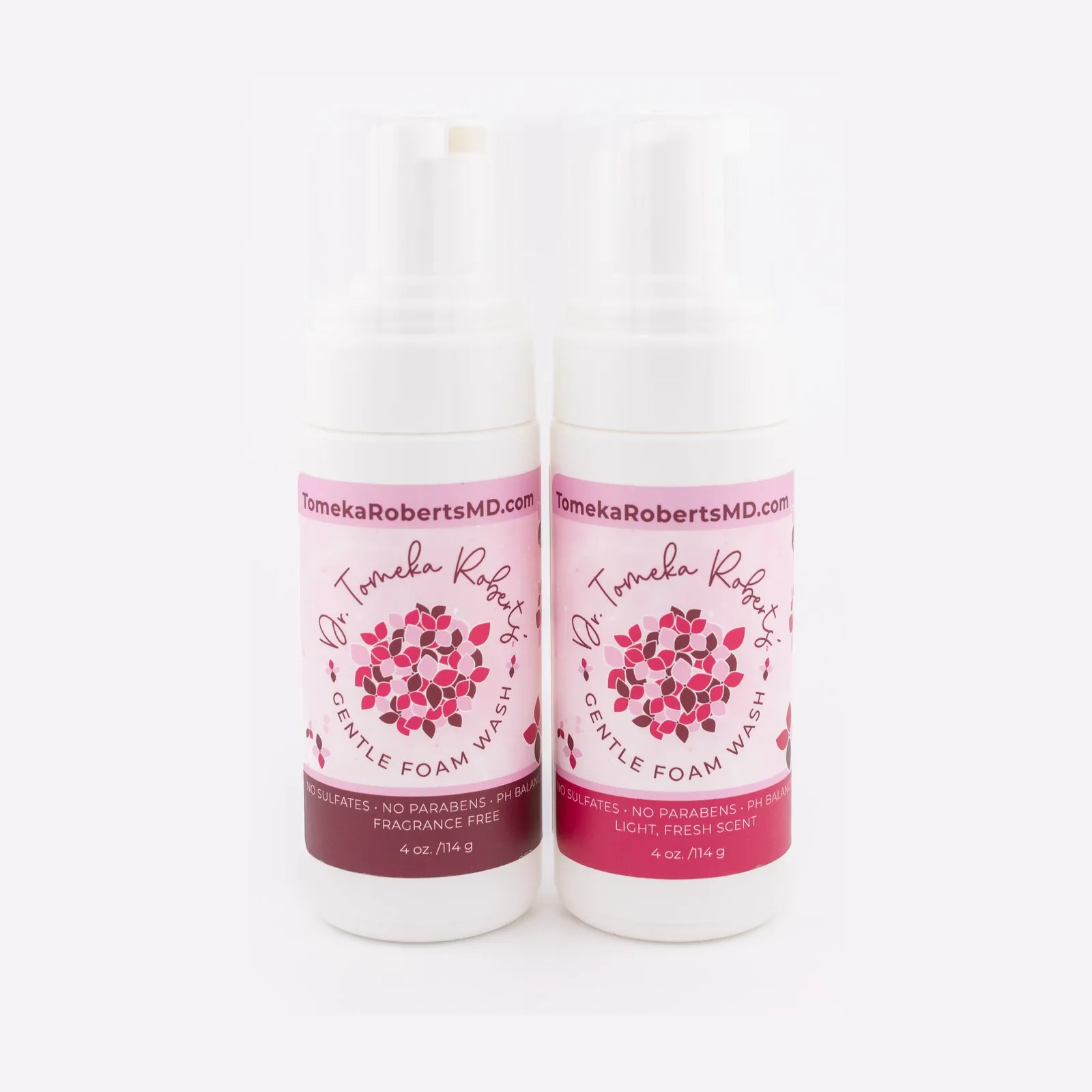
If any of that sounds like you, a sulfate-free, gentle formula is often a more comfortable choice. This is exactly why our Gentle Foam Wash is made without sulfates, so it cleanses softly without that stripped feeling.
What are parabens and why do many people avoid them?
Parabens are preservatives, with common names like methylparaben, propylparaben, and butylparaben. Their job is to keep products free of mold and bacteria so they stay fresh and safe to use over time.
Here is the honest, balanced picture: major regulatory bodies have reviewed parabens and consider them safe at the low levels typically used in cosmetics. So I am not here to alarm you.
That said, many people choose to avoid parabens anyway, and that preference is completely valid. The reasons usually come down to:
- A desire for a shorter, simpler ingredient list
- Personal sensitivity or a past reaction to a paraben-containing product
- A general preference to minimize certain preservatives on intimate skin
Preferring paraben-free care is a reasonable, informed choice, not a panic response. Good formulators can keep a product fresh using other well-studied preservative systems. You can read more about our ingredient philosophy on the science page.
How do you read a feminine-care label?
To read a feminine-care label, scan the ingredient list for anything ending in “sulfate” or “paraben,” and look for front-label claims that confirm what a product leaves out.
Ingredients are listed roughly in order of concentration, with the highest amounts first. Here is a simple way to decode a label:
Watch for these words:
- Sodium lauryl sulfate (SLS)
- Sodium laureth sulfate (SLES)
- Methylparaben, propylparaben, butylparaben, ethylparaben
Reassuring signs to look for:
- “pH-balanced” or “pH-friendly”
- “Sulfate-free,” “paraben-free,” “dye-free”
- “Fragrance-free” option for sensitive skin
- “For external use only”
Do not be intimidated by long chemical names alone. Many gentle ingredients have intimidating-sounding names, while some simple-sounding ones may not suit sensitive skin. The pattern to focus on is the specific endings above, plus the brand’s clear claims about what they exclude.
One more tip: if a label lists “fragrance” or “parfum” and your skin tends to react, consider a fragrance-free version. Fragrance is one of the more common triggers for intimate irritation, which is why we offer a Fragrance-Free formula alongside our Fresh Scent.
What should you look for instead?
Look for a pH-balanced, external-use wash made with gentle surfactants and no sulfates, parabens, or dyes, with a fragrance-free option if your skin is easily irritated.
Here is a quick comparison to make it easy:
| What to avoid | What to choose instead |
|---|---|
| Harsh sulfates (SLS/SLES) | Gentle, mild surfactants |
| Parabens (if you prefer) | Thoughtful, paraben-free formulas |
| Added dyes | Dye-free |
| Heavy fragrance on sensitive skin | A fragrance-free option |
| Internal douches or sprays | External vulva-only washing |
The goal is simple: clean and freshen the external area gently while respecting your body’s natural balance. Your vagina is self-cleaning and does not need internal products. Washing is meant for the vulva, the external skin, only, and never internally.
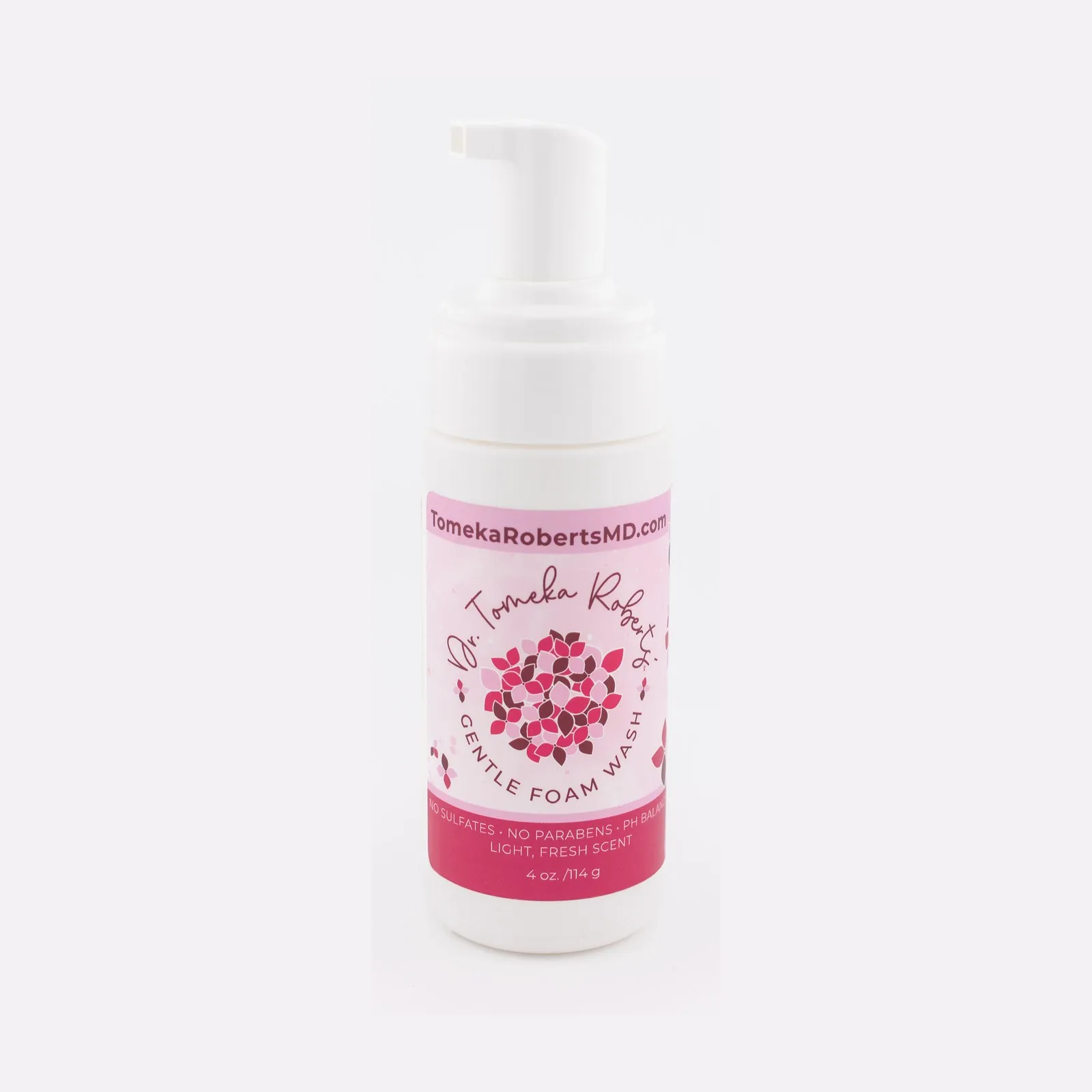
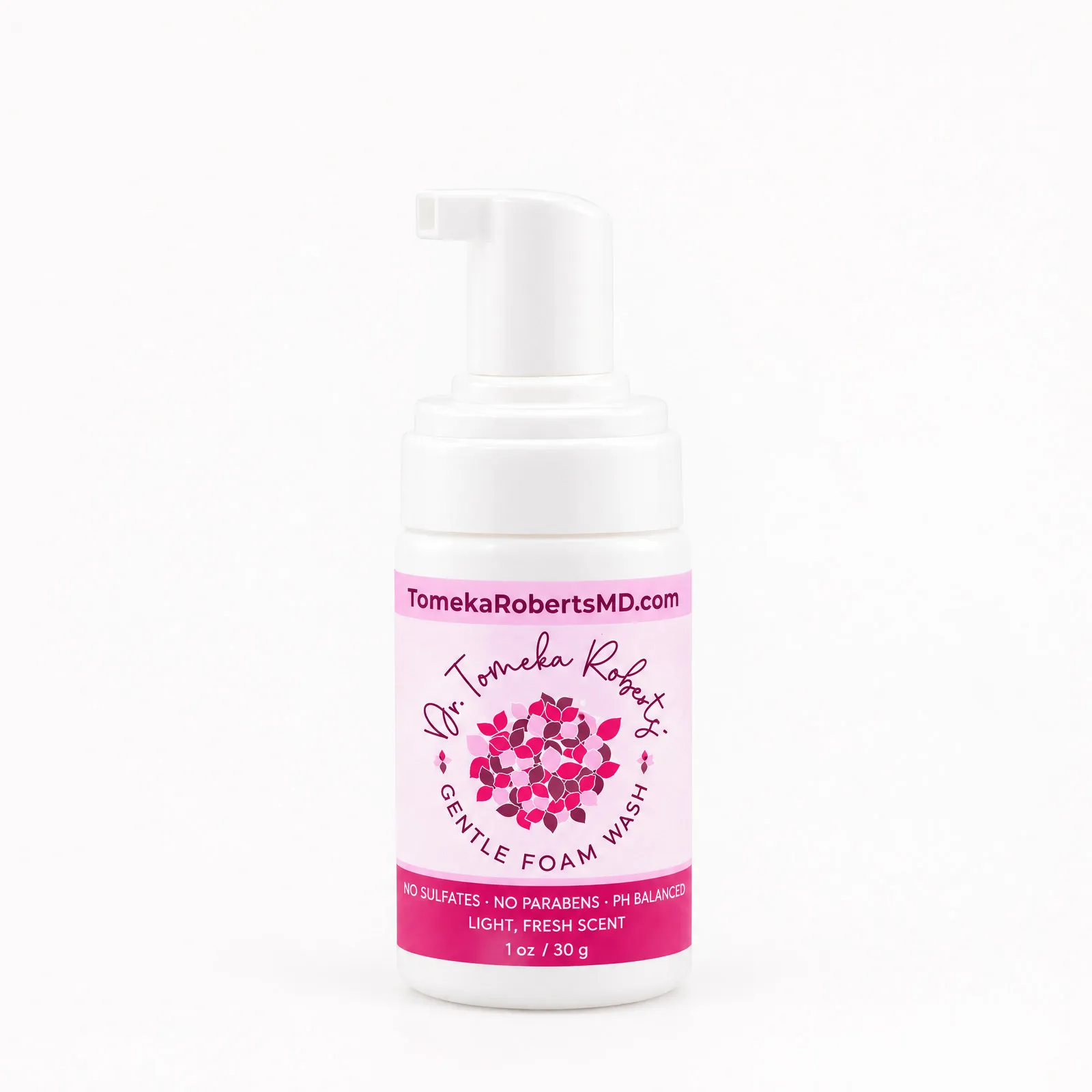
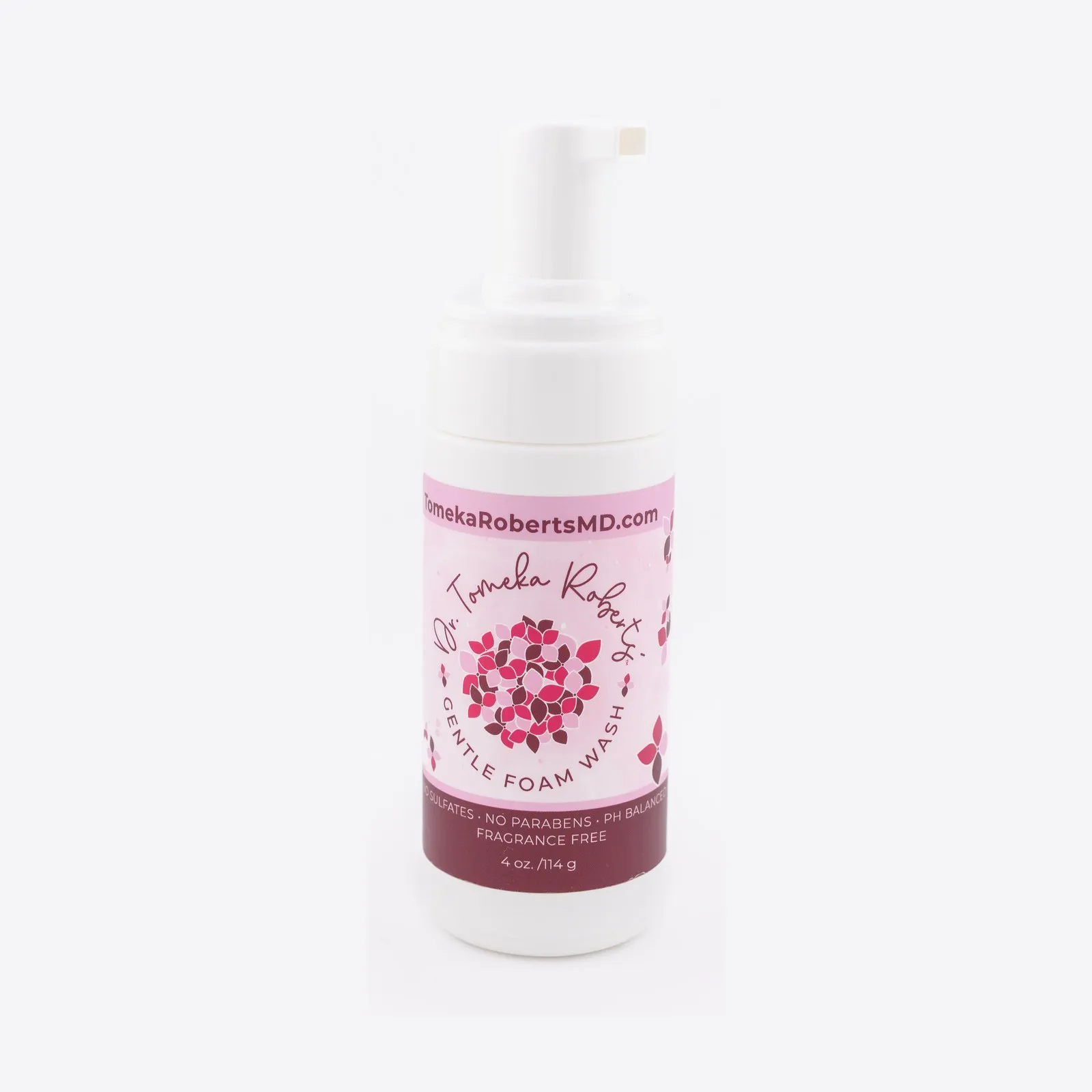
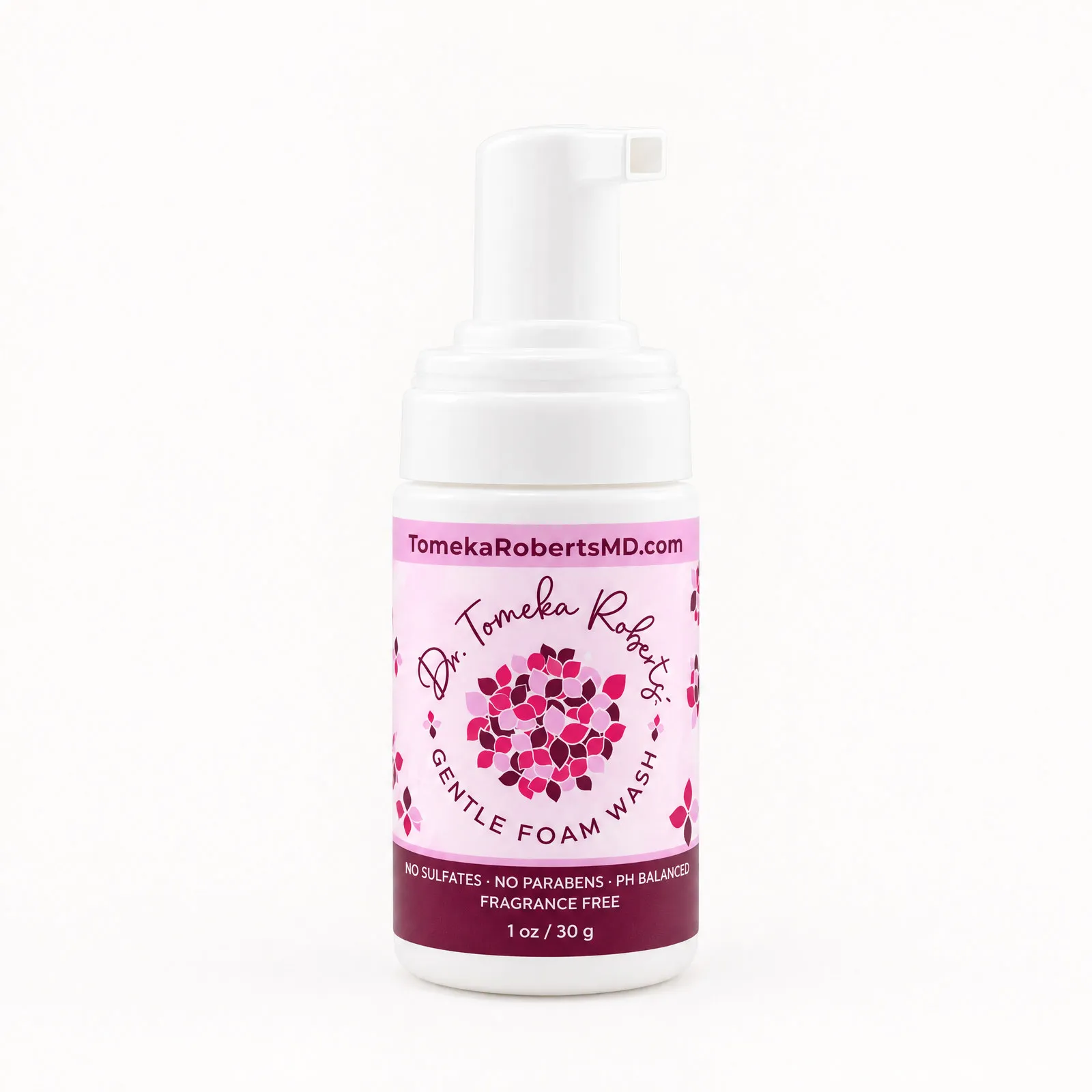
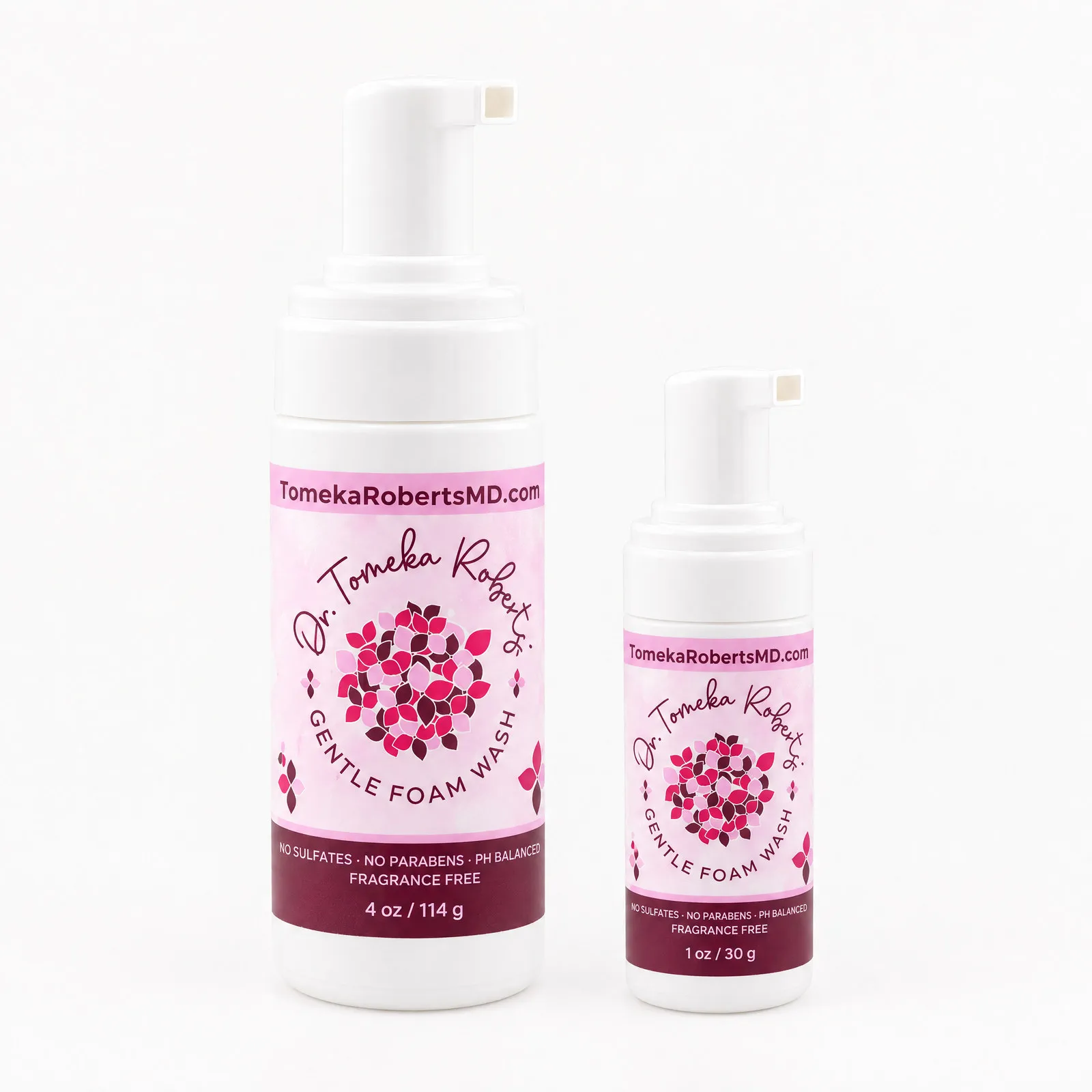
That is the whole idea behind our Gentle Foam Wash. It is pH-balanced, free of sulfates, parabens, and dyes, and designed for gentle daily external use, with both a lightly scented and a fragrance-free choice depending on your skin. You can learn more about my approach on the about page or browse common questions on the FAQ.
When should you see your doctor?
See your doctor if you have new or persistent itching, unusual odor, changes in discharge, burning, or pain. These are signs that deserve a real evaluation.
I want to be clear and honest with you here, because this matters. A hygiene wash is a comfort and freshness product. It is not a treatment, and no external wash can diagnose, treat, cure, or prevent an infection. If something feels off, please do not try to wash a symptom away. Reach out to your OBGYN or primary care provider so you can get an accurate answer and the right care.
You know your body better than anyone, and asking questions is never an overreaction.
A gentle bottom line
Choosing feminine care does not have to be confusing. Avoid harsh sulfates that can strip delicate skin, decide for yourself how you feel about parabens, and learn to scan a label for the patterns we covered. Then look for a product that is pH-balanced, gentle, and made for external use.
If you would like a simple, sulfate- and paraben-free option to start with, take a look at the Gentle Foam Wash in our shop. Whether you choose Fresh Scent or Fragrance-Free, you deserve care that feels as kind as it is clean.
Frequently asked
What are sulfates and why are they used in feminine washes?
Sulfates like SLS and SLES are detergent ingredients that create foam and lift away oil and dirt. They clean effectively, but on delicate vulvar skin they can feel stripping or drying for some people.
Are parabens harmful in feminine care products?
Parabens are preservatives used to keep products fresh, and regulators consider them safe at typical levels. Many people simply prefer to avoid them, which is why paraben-free formulas have become popular.
How do I tell if a feminine wash has sulfates or parabens?
Scan the ingredient list for words ending in sulfate, such as sodium lauryl sulfate, and for words ending in paraben, such as methylparaben. Front-label claims like free of these ingredients can help too.
What should I look for in a gentle feminine wash instead?
Look for a pH-balanced external wash with gentle surfactants, no sulfates, parabens, or dyes, and a fragrance-free option if your skin is sensitive. It should be made for external use on the vulva only.