Sensitive Skin
How to Choose a Feminine Wash for Sensitive Skin
Learn how to choose a feminine wash for sensitive skin with an OBGYN's guidance on pH balance, gentle ingredients, red flags to avoid, and patch testing.

Sensitive intimate skin can feel like it reacts to everything, and finding a wash that keeps you comfortable rather than irritated takes a little know-how. As an OBGYN, one of the most common questions I hear is which product is gentle enough for skin that flushes, itches, or stings easily. Here is how I help my own patients choose a feminine wash for sensitive skin, in plain language and without judgment.
What does sensitive intimate skin actually need?
Sensitive skin in the vulvar area needs gentleness, simplicity, and respect for its natural pH. The fewer harsh actives and triggers a wash contains, the happier reactive skin tends to be.
The skin of the vulva is thinner and more absorbent than the skin on, say, your arms, so it reacts more quickly to irritants. It also lives in a warm, moist environment and sits near the body’s naturally acidic vaginal area. A good wash works with that environment instead of stripping or disrupting it.
For sensitive skin specifically, I look for products that are:
- pH-balanced to stay in harmony with the body’s natural acidity
- External-use only, designed for the vulva (the outside), never internal use
- Free of common irritants like sulfates, parabens, and dyes
- Available in a fragrance-free option for the most reactive skin
You can read more about how we formulate around these principles on our science page.
Why does pH balance matter so much?
A pH-balanced wash helps maintain the skin’s natural acidic environment, which supports comfort and freshness. Soaps and body washes that are too alkaline can leave delicate skin feeling dry, tight, or irritated.
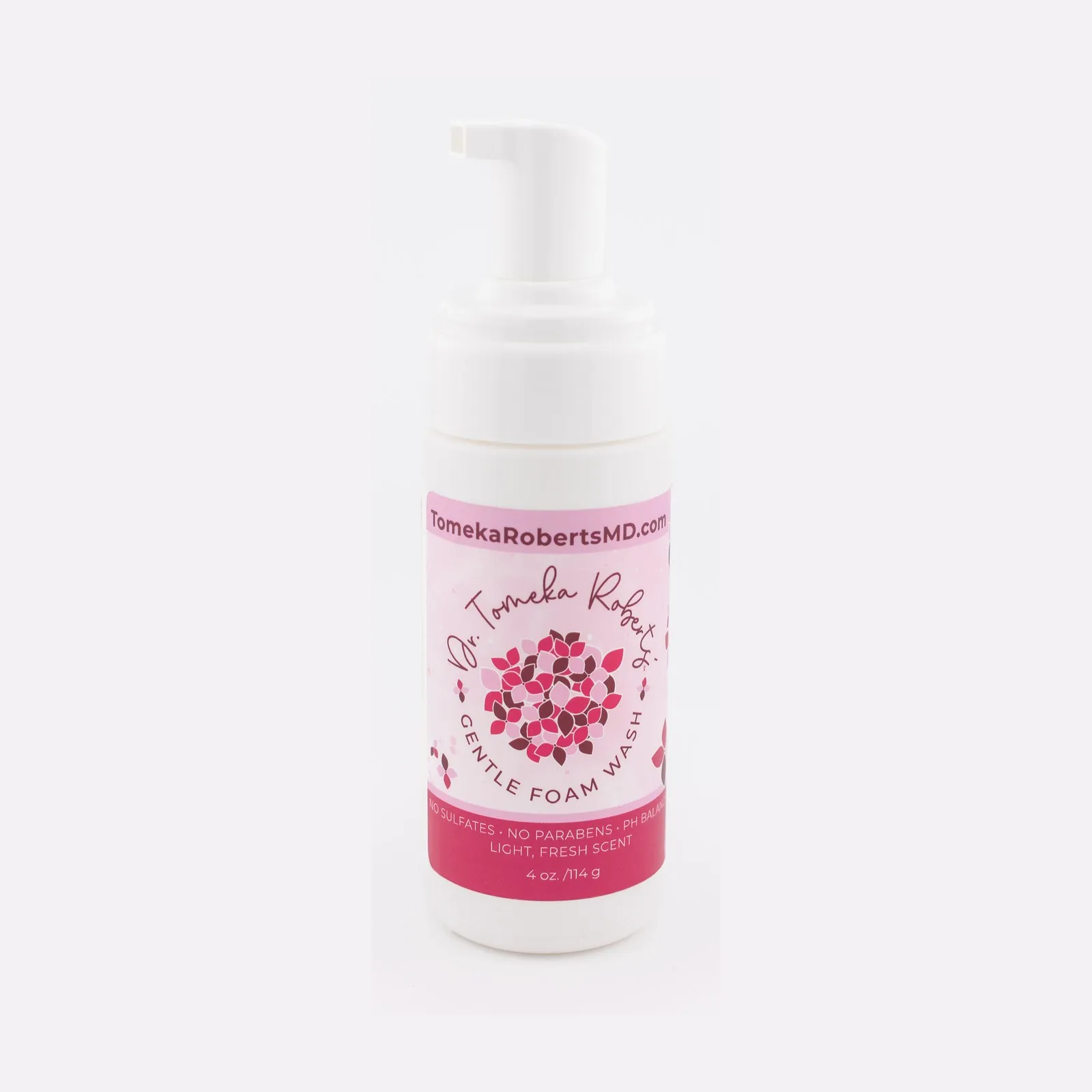
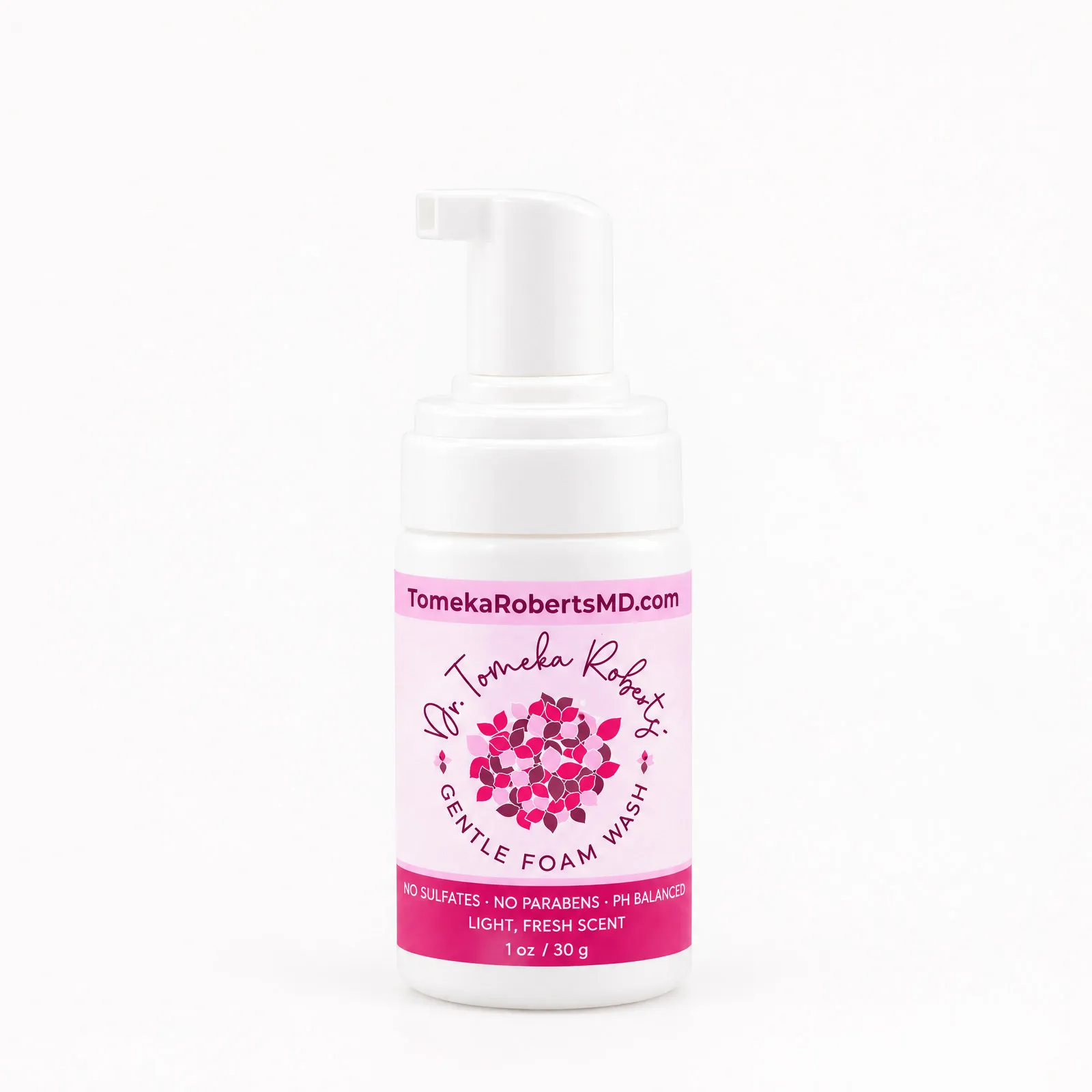
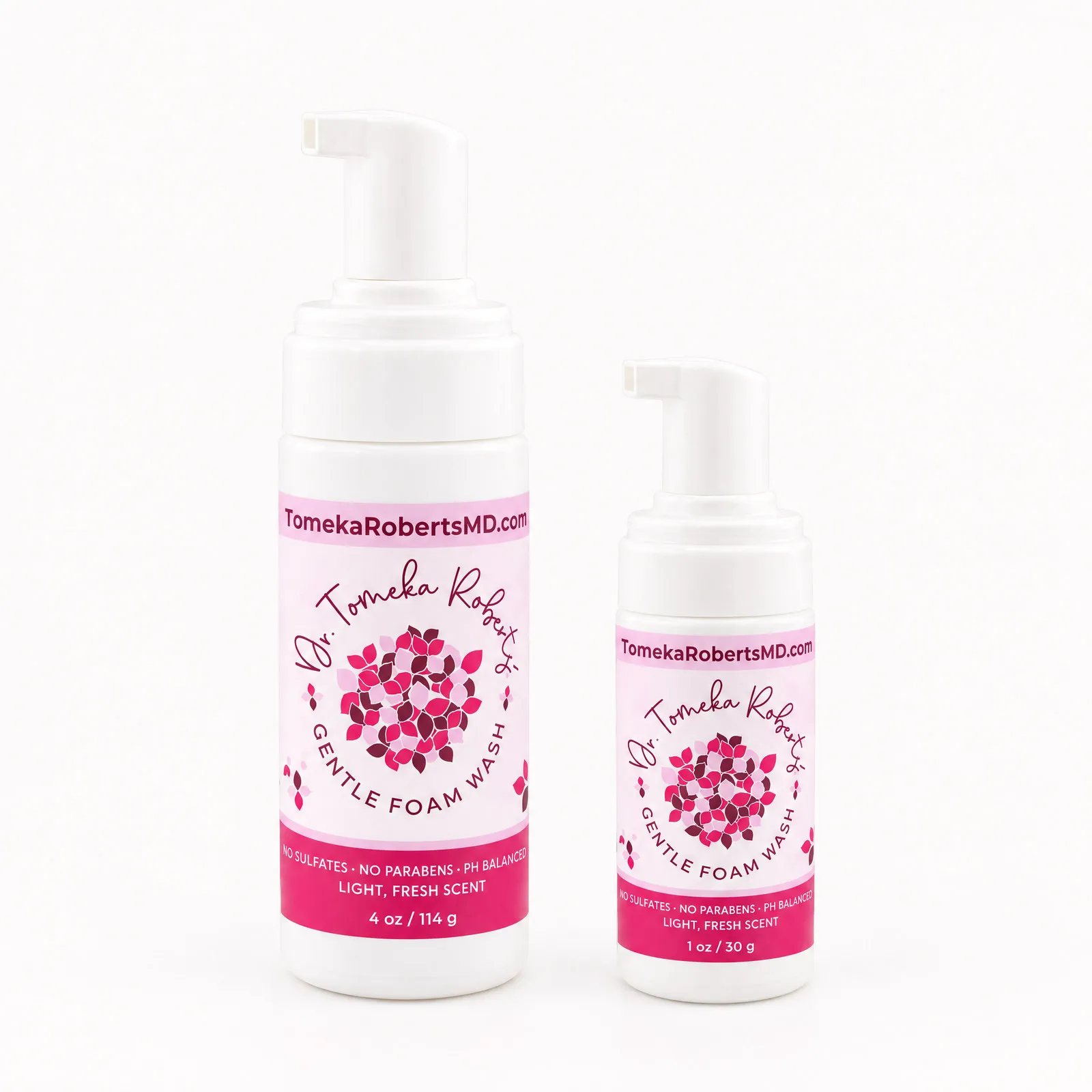
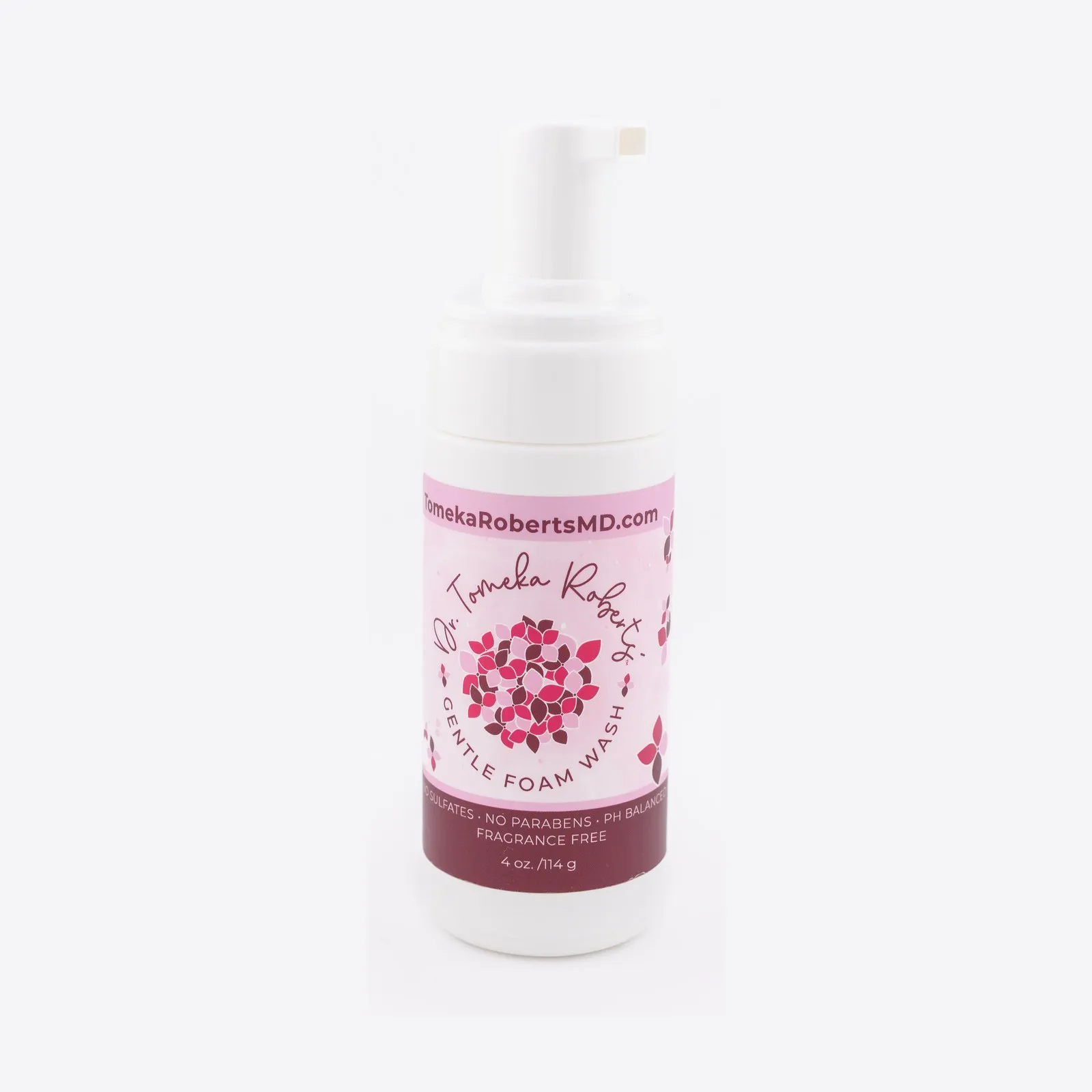
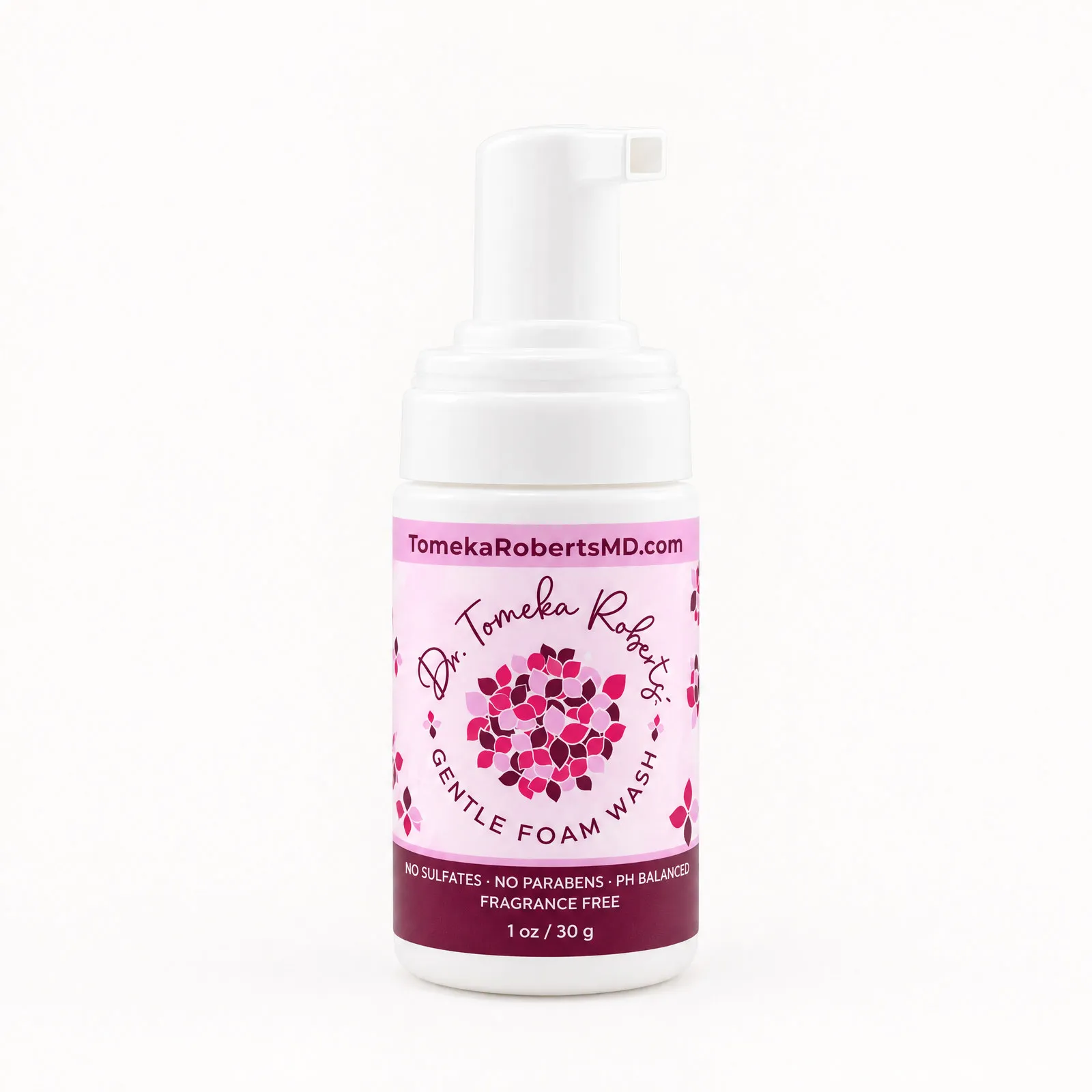
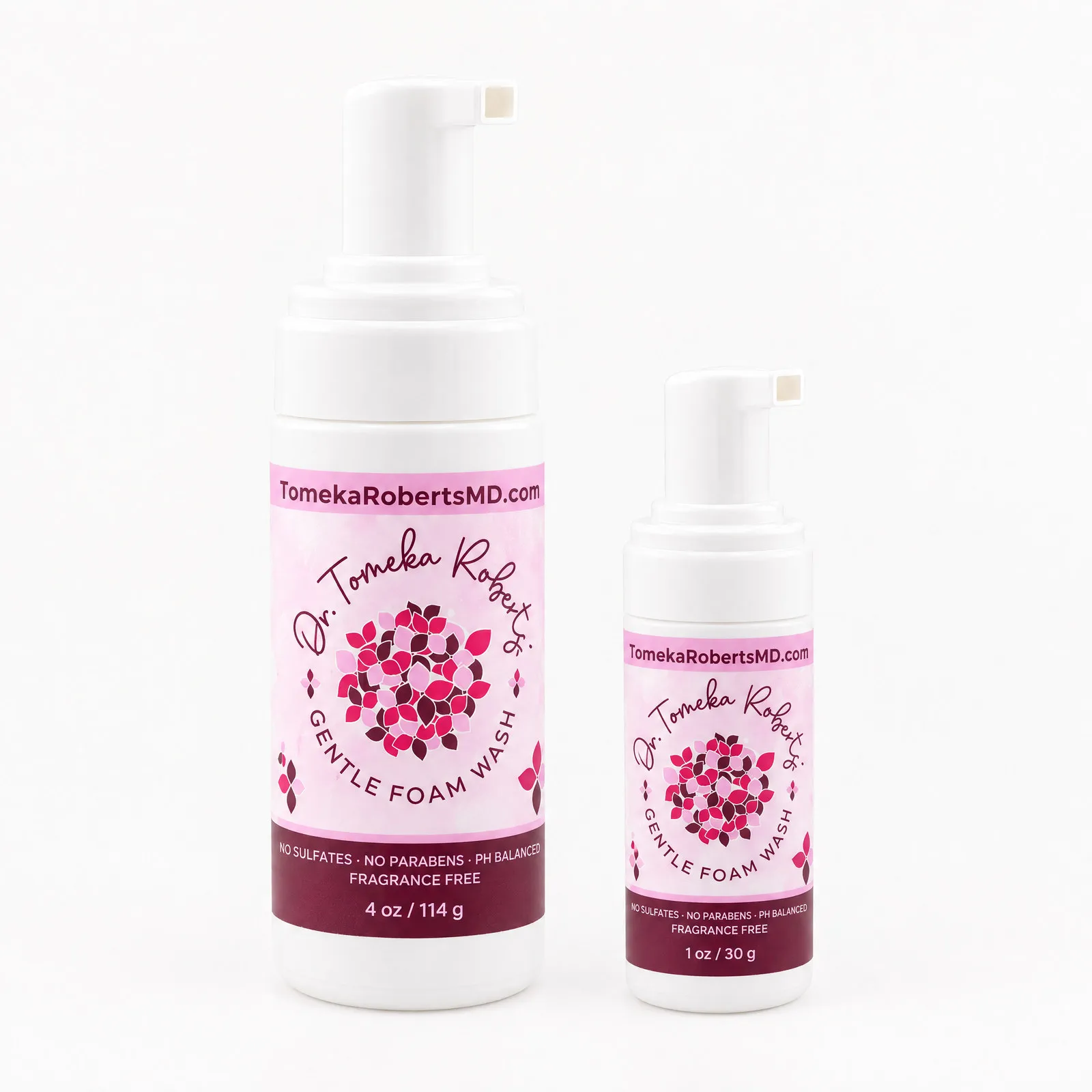
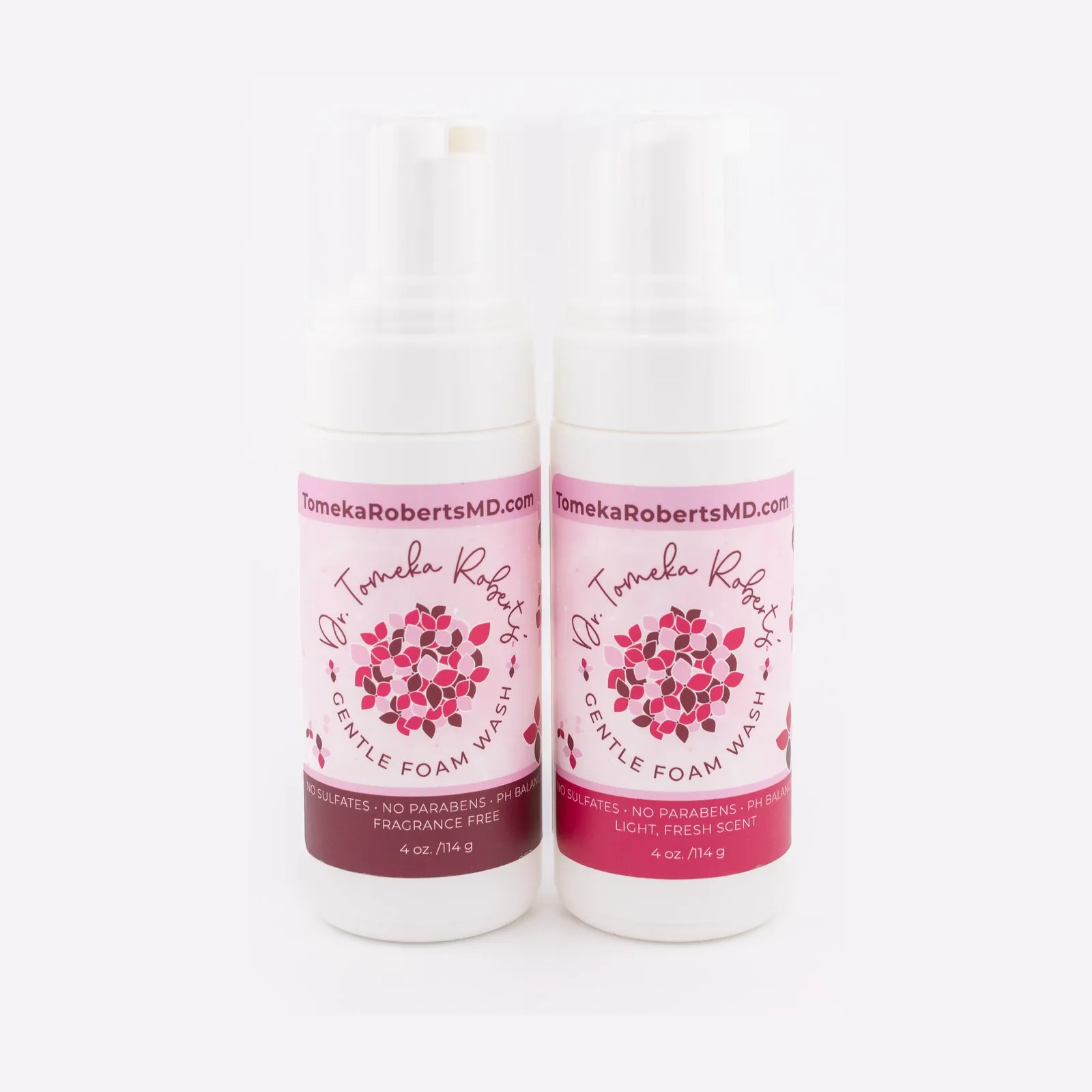
Standard bar soap and many shower gels are formulated for the relatively tough skin elsewhere on your body, and they often sit at a higher pH than intimate skin prefers. That mismatch is one reason so many people feel dry or itchy “down there” after using regular soap. A pH-balanced formula, like our Gentle Foam Wash, is designed specifically with that delicate balance in mind.
To be clear, a cosmetic wash is not a treatment for any condition. It simply cleanses the external area gently while respecting your skin’s natural state.
Which ingredients and qualities should you look for?
Look for a short, thoughtful ingredient list built around mildness: pH-balanced, sulfate-free, paraben-free, dye-free, and a fragrance-free option for reactive skin.
Here is a quick comparison to make it scannable:
| Look for | Be cautious of |
|---|---|
| pH-balanced formula | High-pH/alkaline soaps |
| Sulfate-free cleansing | Harsh foaming sulfates (SLS/SLES) |
| Paraben-free | Strong synthetic preservatives |
| Dye-free | Added colorants |
| Fragrance-free option | Heavy or undisclosed “fragrance/parfum” |
| Clearly external use | Anything marketed for internal use or douching |
A few notes on why these matter:
- Sulfates are the strong detergents that create lots of lather. They clean effectively but can be drying and stripping on delicate skin.
- Parabens and dyes are common sensitizers that add nothing your intimate skin needs.
- Fragrance is one of the most frequent triggers of irritation and reactions in the intimate area, which is why I steer my most sensitive patients toward fragrance-free.
Our full ingredient philosophy is laid out on the science page if you like to read labels as closely as I do.
What are the red flags to avoid?
Avoid washes that are heavily fragranced, marketed for internal use, or promise to “balance” or “treat” you from the inside. Those claims are red flags, not features.
Specific things I gently steer patients away from:
- Douches and internal cleansers. The vagina is self-cleaning. Washing inside can disrupt its natural environment, and I do not recommend it. Your wash should be for the external vulva only.
- Products making medical promises. A cosmetic hygiene wash does not diagnose, treat, cure, or prevent infections. If something claims to, be skeptical.
- Long lists of unfamiliar irritants, strong dyes, or a vague “fragrance” with no fragrance-free alternative.
- Fearmongering marketing that tries to make you feel unclean. Your body is not a problem to be fixed. The goal is simply comfort and freshness.
Should you choose fragrance-free or scented?
For the most reactive, sensitive skin, choose fragrance-free. If your skin tolerates scent well, a light, well-formulated fresh scent can be a pleasant option.
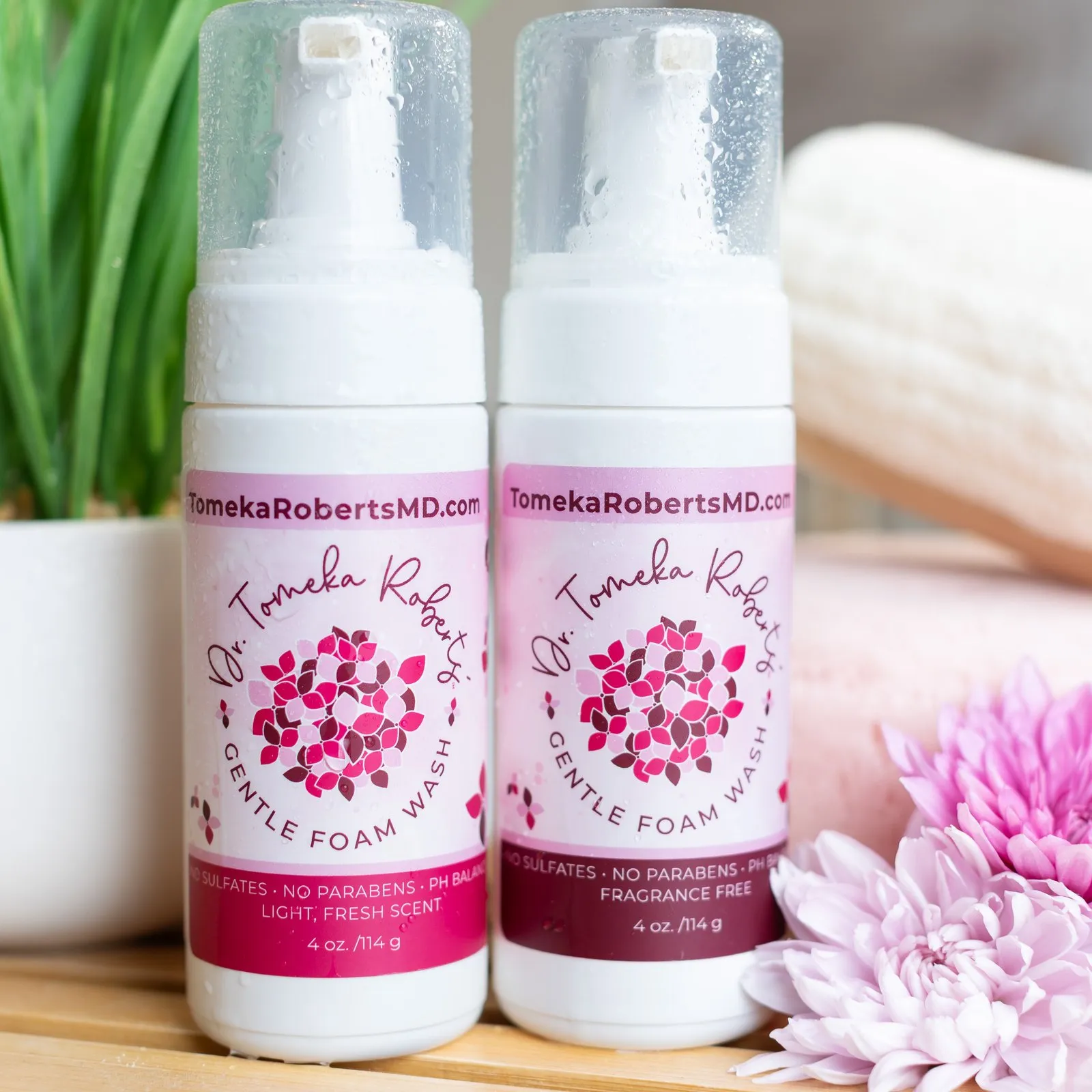
This is why we offer both. Our Fragrance-Free Gentle Foam Wash is my go-to recommendation for anyone with very sensitive skin, a history of reactions, eczema-prone skin, or simply a preference for nothing extra. Our Fresh Scent version uses a light, thoughtful scent for those who enjoy it and tolerate fragrance without trouble.
When in doubt, start with fragrance-free. You can always explore scent later once you know how your skin responds.
How do you patch test and introduce a new wash?
Patch test on a small, less sensitive area first, then introduce the wash slowly. This lets you catch any reaction before applying it more broadly.
Here is the simple approach I share with patients:
- Patch test. Dab a small amount on your inner forearm or outer thigh. Wait about 24 hours and watch for redness, itching, or stinging.
- Introduce gradually. If the patch test stays calm, use the wash on the external area once a day to start.
- Keep it simple. Use a small amount, lather gently with your hands on the outside only, and rinse well with warm water.
- Pause if irritated. If anything feels off, stop and let your skin settle. Not every product suits every person, and that is okay.
Gentle daily external use is the intended way to enjoy a wash like this. There is no need to scrub, and more is not better.
When should you see your doctor?
See your doctor whenever you have persistent or new symptoms. A wash is for comfort and hygiene, not for managing medical concerns.
Please make an appointment if you notice:
- Itching or burning that does not go away
- Unusual odor or a change in discharge
- Redness, swelling, sores, or pain
- Anything that simply does not feel normal for you
These symptoms deserve a real evaluation so you can get the right answer and care. Switching washes is not a substitute for seeing a professional, and you never need to feel embarrassed bringing these things up. You can learn more about my background on the about page, and find quick answers on our FAQ.
A gentle closing
Choosing a feminine wash for sensitive skin really comes down to a few honest principles: keep it pH-balanced, keep it free of common irritants, keep it external, and lean fragrance-free when your skin is easily upset. Your comfort matters, and the right gentle routine can make a real difference in how you feel day to day.
If you are looking for a thoughtfully formulated place to start, the Fragrance-Free Gentle Foam Wash was made with sensitive skin in mind. Take a look at the full shop whenever you are ready, and be well.
Frequently asked
What is the best feminine wash for sensitive skin?
The best choice is a pH-balanced, external-use wash made without sulfates, parabens, dyes, or harsh fragrance. For the most reactive skin, a fragrance-free formula is usually the gentlest option.
Is fragrance-free better than scented for sensitive skin?
For very sensitive or reactive skin, fragrance-free is generally the safer pick because fragrance is one of the most common triggers of irritation. A light, well-formulated scent can be fine for skin that tolerates it well.
How do I patch test a new feminine wash?
Apply a small amount to your inner forearm or outer thigh, leave it for a day, and watch for redness, itching, or stinging. If your skin stays calm after a couple of days, you can introduce it gently to the external area.
When should I see a doctor about feminine skin irritation?
See your doctor if you have persistent itching, burning, unusual odor, abnormal discharge, sores, or pain. These symptoms need a professional evaluation, not just a change in your wash.